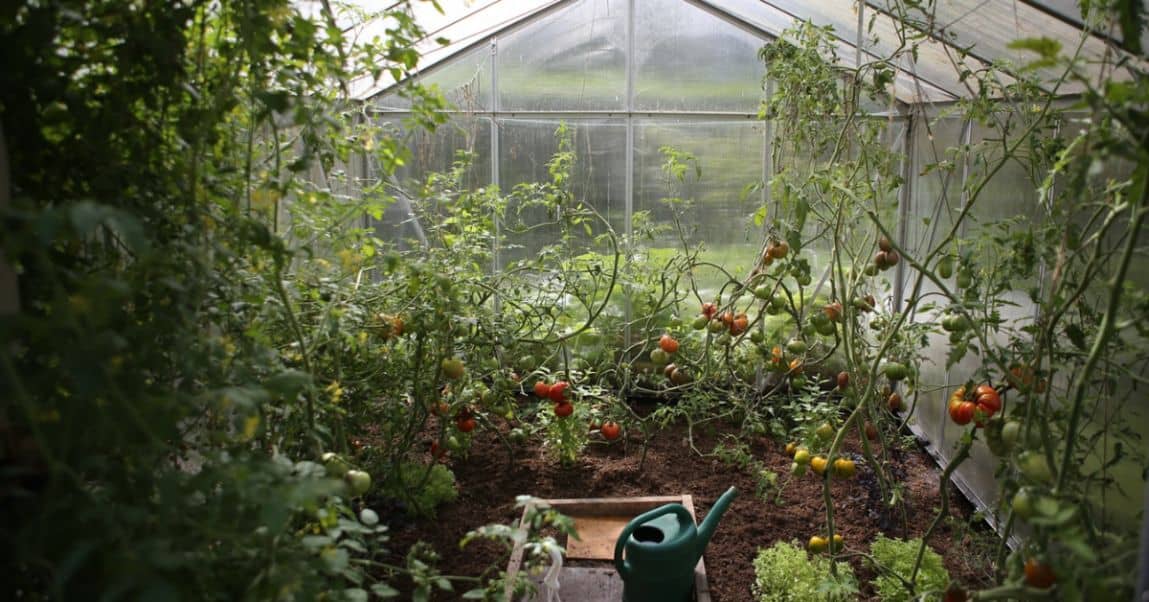
Gardening

The Art and Science of Gardening: Cultivating Beauty and Balance

Gardening is more than a mere hobby; it is an exquisite blend of art, science, and patience that connects us intimately with nature. Whether one tends to a sprawling estate or a modest balcony box, the act of nurturing plants offers profound satisfaction and a meaningful respite from modern life’s hustle. The delicate dance between soil, water, light, and time reveals not only the wonders of growth but also the gardener’s own journey toward mindfulness and creativity.

Understanding the Essence of Gardening

At its core, gardening is an exercise in stewardship—caring for living organisms with respect and understanding. Unlike other forms of artistry, it requires collaboration with the unpredictable forces of nature. One must embrace imperfection and uncertainty, knowing that each season writes its own story.

Gardening invites us to observe cycles, to adapt, and to anticipate. It demands attention to detail: the texture of soil, the timing of planting, the signs of pests or disease. Yet it also encourages freedom—experimentation with colors, plant pairings, and garden layouts. This fusion of discipline and imagination defines the unique appeal of gardening.

The Benefits Beyond Aesthetics

While gardens undeniably enhance a space’s beauty, their contributions extend far beyond visual appeal.

  • Mental Well-being: Tending plants is a therapeutic ritual. The rhythmic motions of pruning or planting serve as a meditative practice, reducing stress and promoting mindfulness.

  • Physical Health: Gardening involves moderate physical activity, encouraging flexibility, strength, and endurance without the rigidity of structured exercise.

  • Environmental Impact: Thoughtful gardening supports biodiversity, attracts pollinators, improves air quality, and can even mitigate urban heat islands.

  • Nutritional Rewards: Cultivating fruits, vegetables, and herbs provides fresh, organic produce, fostering healthier eating habits.

Essential Elements for Successful Gardening

Gardening mastery begins with understanding the fundamental components that influence plant growth:

Soil Quality

Healthy soil is the foundation of a thriving garden. It is a living ecosystem teeming with microorganisms that break down organic matter, supply nutrients, and retain moisture. Conducting a soil test can reveal pH levels and nutrient deficiencies, guiding amendments such as compost or lime.

Light Exposure

Plants have varying light requirements, ranging from full sun to deep shade. Knowing the light patterns of your garden space allows you to select species that will flourish naturally, reducing the need for excessive watering or chemical interventions.

Water Management

Water is the lifeblood of any garden. Effective irrigation balances hydration without oversaturation, which can lead to root rot. Techniques like drip irrigation or rainwater harvesting exemplify sustainable practices that conserve resources.

Plant Selection

Choosing the right plants involves considering climate, soil type, and garden goals. Native plants often outperform exotics in resilience and ecological benefit. Moreover, mixing perennials with annuals can provide both stability and seasonal dynamism.

Designing Your Garden: A Harmonious Approach

A well-designed garden seamlessly integrates form and function, creating a space that is visually pleasing and ecologically sound.

Planning Layout and Structure

Start by sketching a rough plan, noting sun exposure, drainage patterns, and existing features. Group plants by their water and light needs to simplify maintenance. Incorporate pathways and seating areas to invite exploration and contemplation.

Embracing Diversity

Diversity in plant species enhances pest resistance and promotes a balanced ecosystem. Including flowering plants attracts pollinators like bees and butterflies, which are essential for fruit and seed production.

Using Vertical and Horizontal Space

Maximize small areas with vertical gardening techniques such as trellises, hanging pots, or green walls. Horizontally, layering plants with different heights adds depth and interest.

Sustainable Gardening Practices

With global environmental challenges, gardeners play a critical role in promoting sustainability.

  • Composting: Recycling organic waste enriches soil naturally and reduces landfill burden.

  • Mulching: Applying mulch conserves moisture, suppresses weeds, and enriches soil texture.

  • Avoiding Chemicals: Embracing organic pest control methods prevents harmful runoff and preserves beneficial insects.

  • Water Conservation: Capturing rainwater and watering early or late in the day reduces evaporation.

Overcoming Common Challenges

Every gardener encounters obstacles, but with knowledge and perseverance, they can be overcome.

  • Pests and Diseases: Identifying issues early allows for targeted, non-toxic interventions. Companion planting and natural predators can be effective allies.

  • Weather Extremes: Protect plants with shade cloths during heatwaves or frost covers in cold snaps. Choosing hardy species suited to your zone minimizes risk.

  • Time Constraints: Container gardening or selecting low-maintenance plants can accommodate busy schedules without sacrificing green space.

The Joy of Harvest and Reflection

Perhaps the most rewarding moment in gardening is the harvest—whether it is a bouquet of fragrant blooms, a basket of ripe tomatoes, or the simple pleasure of watching a seed sprout. Gardening teaches patience, resilience, and the profound interconnectedness of life. It invites us to slow down, observe, and celebrate growth in its many forms.

In a world that often prioritizes speed and convenience, gardening remains a timeless sanctuary where nature’s rhythms restore balance to both garden and gardener. This ancient craft continues to flourish as a testament to human creativity, care, and the enduring beauty of the natural world.

Ask ChatGPT

What is your reaction?

Excited
0
Happy
0
In Love
0
Not Sure
0
Silly
0

You may also like

Comments are closed.