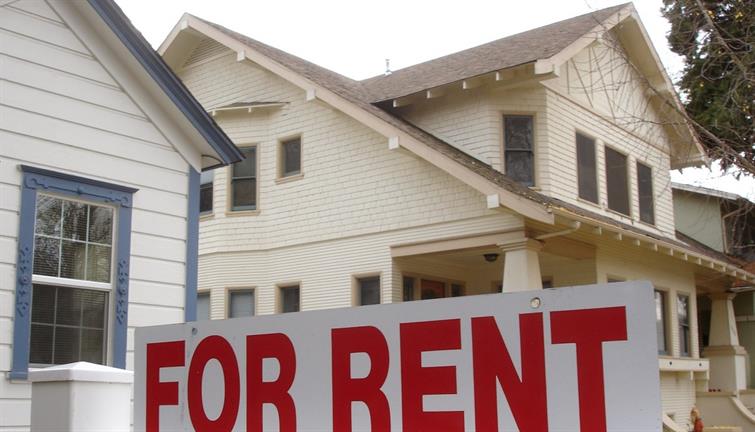
Rent

The Refined Reality of Renting: A Contemporary Guide to Smart Tenancy

Introduction: The Evolution of Renting in the Modern Age

Renting has long been seen as a transitional phase—an intermediary step before the so-called final destination of homeownership. However, in today’s shifting economic landscape, renting has emerged as a sophisticated, flexible, and often financially prudent choice for millions around the world. Whether you’re a young professional, a family relocating for opportunity, or a retiree seeking simplicity without the burden of property maintenance, renting offers freedom and access without the weight of permanence. This modern rental era is about lifestyle alignment, not just affordability.

Understanding the Concept of Rent

Renting refers to the agreement where one party pays another for the temporary use of a property or asset. In residential terms, this typically involves a tenant occupying a home owned by a landlord, with a lease outlining the rights and responsibilities of both parties. While simple in structure, the modern rental experience is nuanced and layered with legal, financial, and personal considerations.

Why Renting Remains a Relevant and Smart Option

Choosing to rent is not a compromise—it can be a conscious, strategic decision grounded in flexibility, financial prudence, and lifestyle preferences. In many urban centers and growing cities, renting offers a gateway to high-quality living without long-term financial entanglements.

Key Advantages of Renting

  • Flexibility: Renting allows for ease of relocation, making it ideal for individuals with dynamic careers or evolving life plans

  • Lower Upfront Costs: Unlike purchasing property, renting requires no large down payment or property taxes

  • No Maintenance Burden: Repairs and maintenance are typically handled by the landlord, saving time and unexpected expenses

  • Access to Amenities: Many rental properties offer luxury features like pools, gyms, and concierge services without additional costs

  • Opportunity Cost of Capital: Money that would be tied up in a home can be invested elsewhere for potentially greater returns

The Types of Residential Rentals

Understanding the variety of rental options on the market is crucial to finding a space that suits both your needs and your aesthetic sensibilities.

Common Rental Property Types

  • Apartments: Found in multi-unit buildings, offering shared amenities and varying layouts

  • Condos: Owned individually, but rented out by their owners; often in high-end developments

  • Single-Family Homes: Ideal for families seeking space, privacy, and a yard without a mortgage

  • Townhouses: A blend of home and apartment living, often multi-leveled with private entrances

  • Co-living Spaces: A newer concept where individuals rent a room in a fully furnished shared home, popular in metropolitan hubs

Each type comes with its own pros and cons in terms of space, privacy, cost, and maintenance expectations.

What to Consider Before Renting a Property

Finding the perfect rental isn’t just about square footage or price—it’s about lifestyle fit and long-term satisfaction. Tenants should assess a property not just with logic, but with a keen sense of how it aligns with their daily rhythms and future plans.

Factors to Evaluate

  • Location: Proximity to work, schools, public transportation, and social life is critical

  • Budget: Consider not just rent, but utilities, parking, maintenance fees, and potential rent hikes

  • Lease Terms: Review length, renewal policies, subletting rules, and termination clauses

  • Safety and Security: Look into neighborhood crime rates, building security measures, and emergency access

  • Condition and Maintenance: Ensure the property is well-maintained and that the landlord is responsive

Never sign a lease without thoroughly inspecting the property, speaking with current or past tenants if possible, and understanding your legal rights.

The Rights and Responsibilities of Tenants

Being a tenant comes with both freedoms and responsibilities. It’s a two-way relationship that thrives on communication, respect, and legal understanding.

Tenant Responsibilities

  • Pay rent on time and in full

  • Maintain the property in good condition

  • Abide by lease terms and community rules

  • Notify the landlord promptly of any issues or repairs needed

Tenant Rights

  • Quiet enjoyment of the rental without undue interference

  • Safe, habitable living conditions as defined by law

  • Fair treatment without discrimination

  • Proper notice before landlord entry or eviction procedures

Knowing your rights is empowering. Familiarize yourself with local tenancy laws and retain a copy of your lease agreement for reference.

Tips for a Sophisticated Renting Experience

Renting can be an enjoyable and seamless experience with the right preparation and mindset. A polished approach not only secures a better living arrangement but sets the tone for a respectful landlord-tenant relationship.

Tips for Successful Renting

  • Create a strong rental application: Include references, proof of income, and a professional demeanor during viewings

  • Document everything: Take photos during move-in to avoid future disputes over damages

  • Be proactive: Communicate respectfully with landlords and report issues early

  • Protect yourself: Consider renters’ insurance to safeguard personal belongings

  • Maintain the home: Treat it as your own to foster goodwill and potentially favorable lease renewals

A well-maintained rental not only improves your living experience but also builds a positive reputation that can benefit you in future rental opportunities.

Rent vs. Buy: A Personal Financial Choice

The age-old debate of renting versus buying doesn’t have a universal answer. It depends entirely on lifestyle, financial position, goals, and market conditions.

When Renting May Be the Better Choice

  • You plan to move within the next few years

  • Your job or income situation is uncertain

  • You want to avoid the responsibilities of homeownership

  • You prefer access to urban areas where buying is cost-prohibitive

Rather than seeing renting as temporary or inferior, it should be viewed as a flexible, intelligent financial and lifestyle decision.

Conclusion: Renting with Intention and Elegance

In a world that celebrates ownership, the grace of renting is often underestimated. Yet, for many, it offers precisely what modern life demands—mobility, freedom, and control over one’s personal and financial trajectory. Renting allows individuals to live in the moment while planning for the future. With thoughtful planning, clear expectations, and an eye for quality, renting transforms from a necessity into a lifestyle—one that blends convenience with sophistication, and flexibility with refined living. Whether for a season or a lifetime, renting can be the most deliberate and empowering choice one makes in their housing journey.

What is your reaction?

Excited
0
Happy
0
In Love
0
Not Sure
0
Silly
0

You may also like

Comments are closed.

More in:Rent